Track Lines
This section describes general standards for ELR compatible tracks.
Sizing
For all non-specialized rail, ELR uses medium gauge rail (3m wide). Style is not standardized; any medium gauge rail will be compatible. Rail should always have a 1m gap on either side, and when two lines are placed next to each other, an additional 1m should allocated in between them. These gaps may be lowered if desired, e.g. for spawnproofing. Below is a diagram displaying this standard.
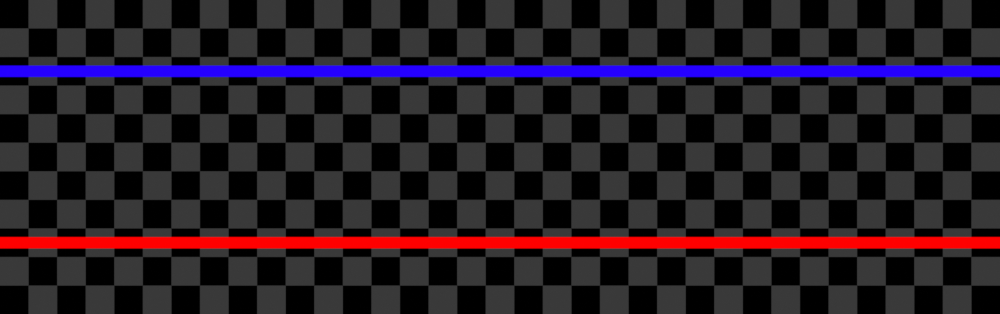
Lines do not necessarily have to be axis-aligned (running along the X or Z axis), they may be diagonal or even curved, but the space between lines should be preserved at all times. If you are unsure if you’ve given enough space, err on the side of caution and add some more.
Positioning
Some ELR lines have specific position requirements to account for their environment. This section will also list standards for specific terrain, and some notable stations.
Most importantly, in the Nether ELR lines run at Y=7. This is done to reduce the burden of protecting the line from the hostile fauna and terrain which is common in the Nether. To match this height specification, Overworld-side connections to Nether lines should also be at a similar height to ensure consistent portal links. The Overworld side does have looser tolerances; building within 16m vertically should be comfortable, but this guidance is dependant on how many portals are present in the area. For an example of this kind of Nether-Overworld connection, End Station has a Nether connection and is fully built at Y=6.
Slopes
The grade of ELR slopes should be no more than 12.5% (or 1 meter up for every 8 meters over).
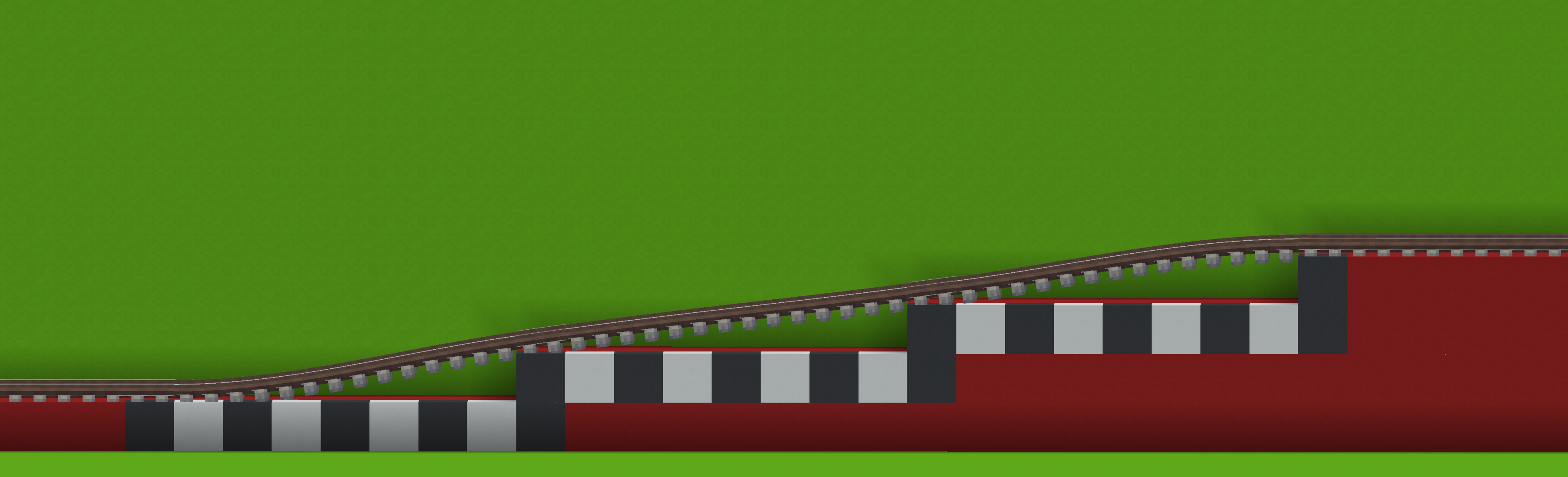
Slopes can be built in a straight, as in the above example, or in a spiral, or zig-zag.
Tunnels
When building a tunnel, the roof of the tunnel must be a minimum of 5.5m above the floor.
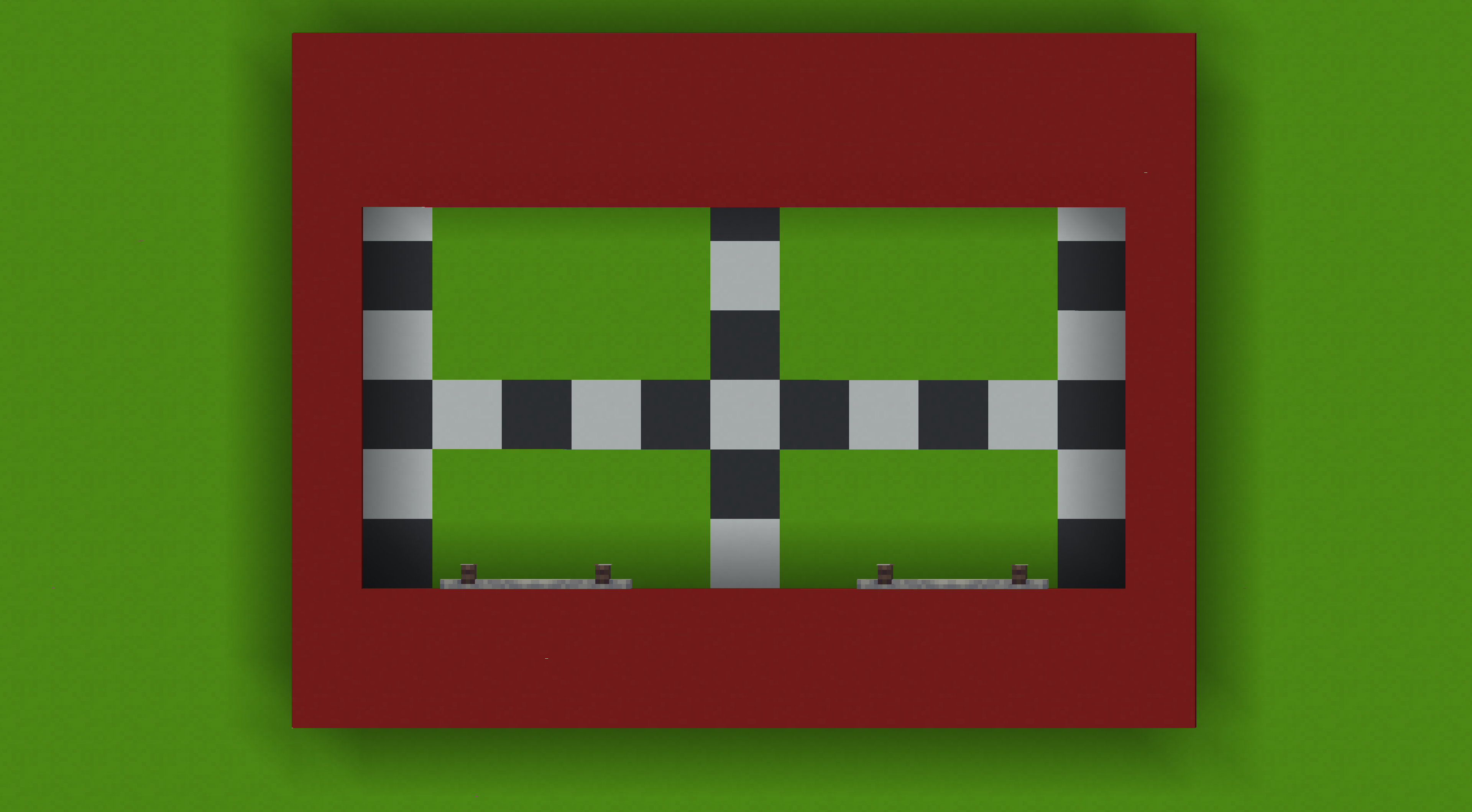
This cross-section shows a tunnel of minimum height. Higher roofs are also acceptable.
Mob Protection
All lines should be protected from mobs, hostile mobs especially but inclusive of all mobs. It’s important lines remain clear of obstacles, especially living ones, to avoid casualties.
In the Overworld, this can be accomplished by a combination of lighting and fencing. Lighting to prevent hostile mob spawns, and fencing to prevent other mobs wandering onto the tracks. Fencing should be at least three blocks higher than the tracks. If a line is underground, it should already be enclosed and does not need further fencing.
In the Nether, mob protection is much more difficult. Lighting is no longer an effective method of mob proofing, so we must turn to alternatives. Nether lines generally run near bedrock to avoid the hazards present higher in the Nether (lava, Ghasts) and so usually are enclosed within tunnels. This prevents mobs from wandering onto the tracks externally, but does not prevent spawns directly on the tracks. For this purpose, another method of spawnproofing is necessary. ELR recommends using slabs (buttons are also an option, but have twice the material cost). You may also drop the level of the blocks surrounding rails in order to lower spawnproofing blocks.
Here’s an example cross-section of what this could look like.
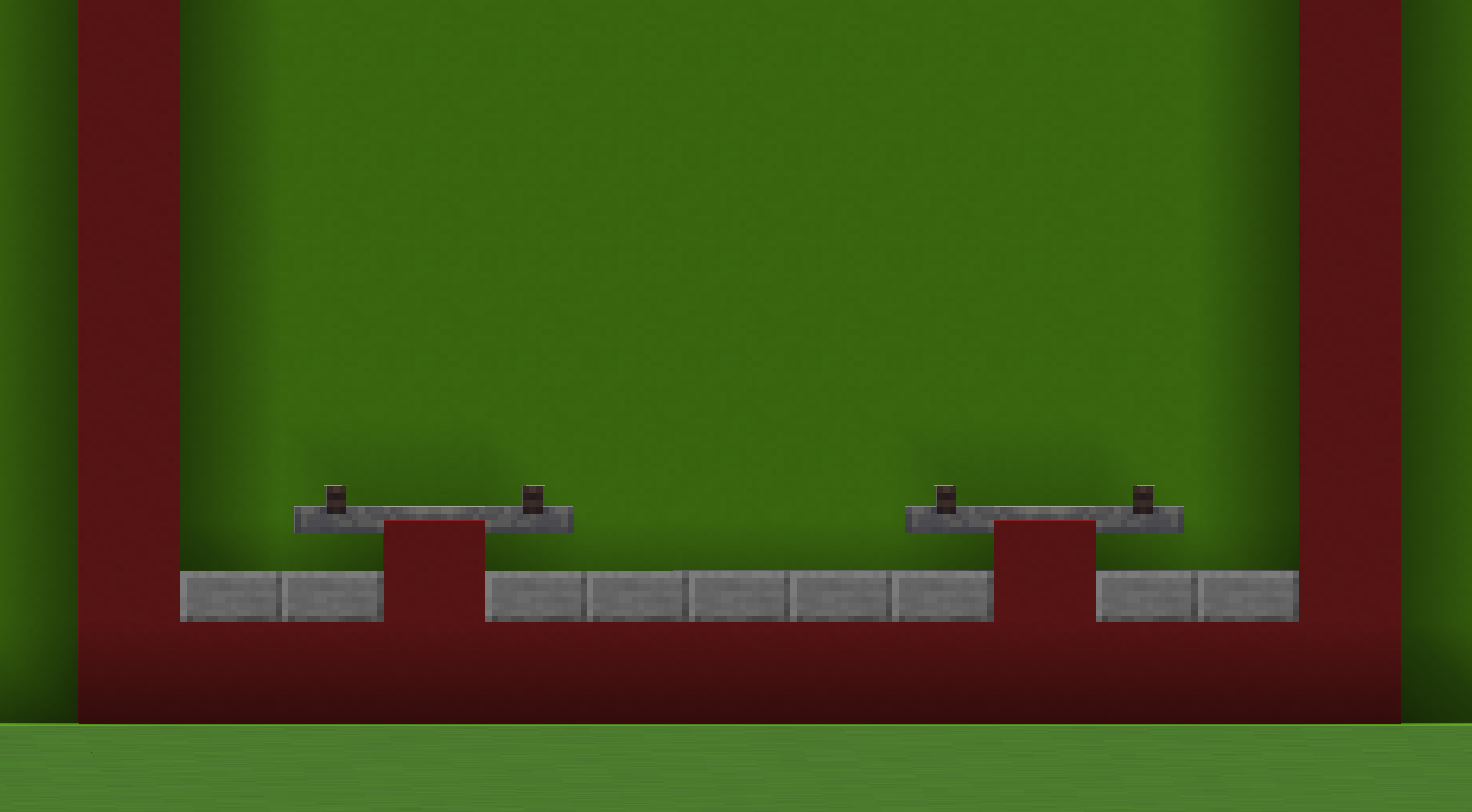
The most important thing to ensure is that Ghasts cannot spawn. In the Nether, Ghasts are one of the biggest threat to a railway due to them being able to break blocks.
If you must travel on the surface of the Nether, similar guidelines apply. Be sure to have effective fencing where necessary. Spawnproof the roadbed using a technique mentioned here or another effective method. When travelling on the surface, you also must build a roof over the tracks to protect against Ghasts. Nether surface lines should effectively be tunnels.